
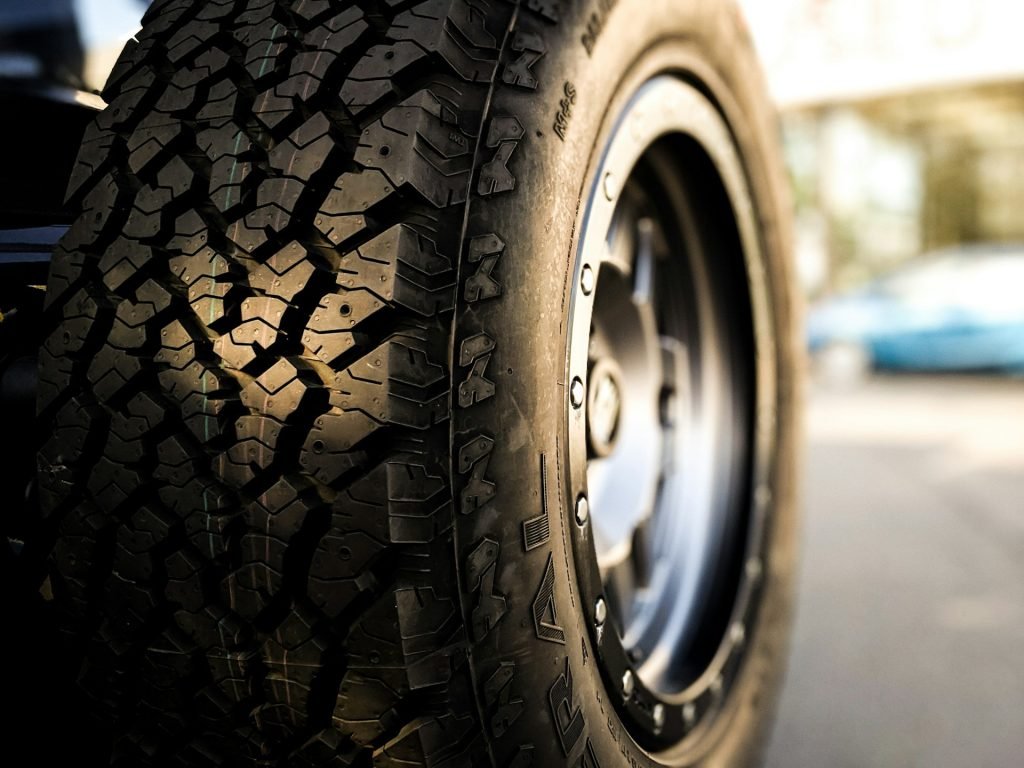
Protect Uptime by Selecting the Right Tread
Choosing between L3 and L5 bulk construction tires is about keeping machines working, not simply picking the deepest tread. The right tire must fit the machine, load, ground conditions, travel distance, daily hours, and season. A mismatch can lead to faster wear, tire damage, heat buildup, and avoidable downtime.
Both L3 and L5 tires are made for demanding off-the-road work, but they solve different problems. We help dealers, distributors, repair shops, and fleet operators plan container-scale tire orders with the correct specifications, export paperwork, and global shipping coordination, so tire supply is ready before fall and winter conditions affect project schedules.
Know How L3 and L5 Treads Change Performance
Standard L3 tires are commonly called standard rock-tread tires. Their moderate tread depth gives many machines a workable balance of traction, ride comfort, heat release, and tread life. We often recommend reviewing L3 options for equipment that moves across packed soil, gravel, crushed rock, and maintained haul roads throughout the day.
By contrast, L5 tires have extra-deep tread for severe, abrasive sites. They are often chosen where sharp blasted rock, broken concrete, scrap, and demolition debris can cut or chunk a standard tread. That added tread protection can be helpful during slow, repeated work in harsh zones. However, deeper tread can hold more heat during long hauls or higher-speed travel.
In comparison, L3 tires have a moderate rock tread, while L5 tires have an extra-deep rock tread. L3 tires are suited to packed soil, gravel, and moderate rock, while L5 tires are designed for sharp rock, demolition debris, and severe quarry areas.
For moderate hazards, L3 tires provide good cut resistance. L5 tires offer higher protection in aggressive conditions. L3 tires are better suited to regular travel, while L5 tires may build more heat on long or faster runs.
Across mixed surfaces and maintained haul roads, L3 tires work well. L5 tires are generally better for short, slow cycles in severe terrain. Common L3 applications include loaders, graders, and articulated dump trucks, while L5 tires are often used on loaders in quarry faces, demolition areas, and abrasive stockpiles.
Before placing an order, we recommend comparing the tire against the machine maker’s guidance and the actual work plan. Confirm the tire size, ply rating or star rating, load capacity, inflation needs, and expected working hours. These details matter as much as the tread designation on the sidewall.
Match Bulk Construction Tires to Site Conditions
The jobsite should guide the choice. A walk-through the work area can reveal more than a purchase history alone. Look for the hazards that keep returning, such as sharp stone, exposed rebar, broken concrete, scrap metal, deep ruts, and loose debris.
Document the tire issues your crews see most often:
- Cuts and chunking in the tread
- Punctures from sharp debris
- Sidewall injuries from rocks or obstacles
- Fast tread loss on abrasive surfaces
- Heat-related wear on longer travel routes
For compacted dirt, gravel, and moderate rock, L3 tires are often a sensible fit. L5 tires may be the better match when equipment repeatedly works around sharp stone, demolition waste, or rough quarry faces. The goal is not to buy the deepest tire for every machine. It is to buy the tread that fits the hazard.
Duty cycle matters just as much as surface severity. Machines traveling between work zones, making longer hauls, or operating at higher speeds may benefit from the lower heat buildup of an L3 design. On the other hand, short, slow, repeated passes through severe ground can make the added protection of L5 tread worthwhile.
Machine behavior also deserves a close look. A wheel loader working a clean stockpile may have very different needs from a similar loader working a demolition zone. Review bucket capacity, cycle times, haul distance, turning frequency, and daily operating hours before assigning a tread type. This helps protect tire life while supporting the equipment’s overall uptime.
Look Beyond the Initial Tire Expense
When ordering bulk construction tires, the lowest initial amount is not always the lowest long-term operating burden. A tire that is removed early because of cuts, punctures, or rapid wear can create repair work, lost machine time, technician labor, and replacement needs long before the planned service interval.
In severe conditions, an L5 tire may make better operational sense if it helps reduce frequent damage and early removals. In mixed-use conditions, an L3 tire may be a better fit because it supports regular travel without unnecessary heat buildup. We encourage buyers to compare expected service life and downtime risk, not tread depth alone.
Inventory planning deserves the same attention. Separate planned replacements from emergency stock so you do not fill a container with one tread type while running short on another. Dealers and distributors can also review customer demand for common sizes before finalizing bulk orders.
A practical order review should include:
- Machine population and tire positions
- Seasonal workload and upcoming projects
- Expected tire retirements
- Spare tire needs for urgent replacements
- Correct tread type for each operating environment
Accurate specifications keep bulk orders on track. Confirm tire size, tread pattern, load rating, tube or tubeless setup, rim compatibility, required labeling, and destination-country requirements. Factory-direct container orders require careful coordination, especially when export documents, customs processing, and delivery timing are part of the plan.
Plan Fall Deliveries Around Weather and Project Timelines
Fall can make a tire problem harder to manage. Cooler temperatures, rain, muddy access roads, early snow, and shorter workdays can turn a damaged tire into a larger delay. Many contractors are also working to finish major jobs before winter weather limits site access.
Start by reviewing active work and upcoming bids. Ask which sites may become wetter, more abrasive, or harder to reach as conditions change. A site that was easy to travel in dry weather may expose more rock, debris, and muddy ground after rain. That shift can change the traction, cut-resistance, and availability needs for your fleet.
Shipping lead times also need room in the schedule. Container orders, export paperwork, customs steps, inland delivery, and warehouse receiving do not happen instantly. We recommend planning before urgent replacements are needed, particularly when equipment must remain available for project closeouts or winter preparation.
A seasonal tire-readiness review can include tread inspections, pressure checks, rim-condition checks, spare tire availability, and confirmation that each machine has the correct L3 or L5 specification assigned. This kind of preparation reduces rushed decisions when site conditions become tougher.
Secure the Right L3 or L5 Specification
Selection of L3 and L5 bulk construction tires should be based on the work they will actually perform, not by tread depth alone. Gather site details, machine specifications, operating hours, travel patterns, tire-damage records, and inventory needs before requesting an order review.
The best choice is the one that matches the surface, load, duty cycle, and machine behavior. When those details are clear before delivery planning begins, your team can make a more confident tread decision and keep equipment better prepared for demanding seasonal work.
Find Tires Built For Your Jobsite
Sentury Tyres offers bulk construction tires designed for demanding loader and haulage applications. Our OTR tire selection helps you compare options for the traction, durability, and wear resistance your fleet requires. For help selecting the right fit, contact us to speak with our team.
