
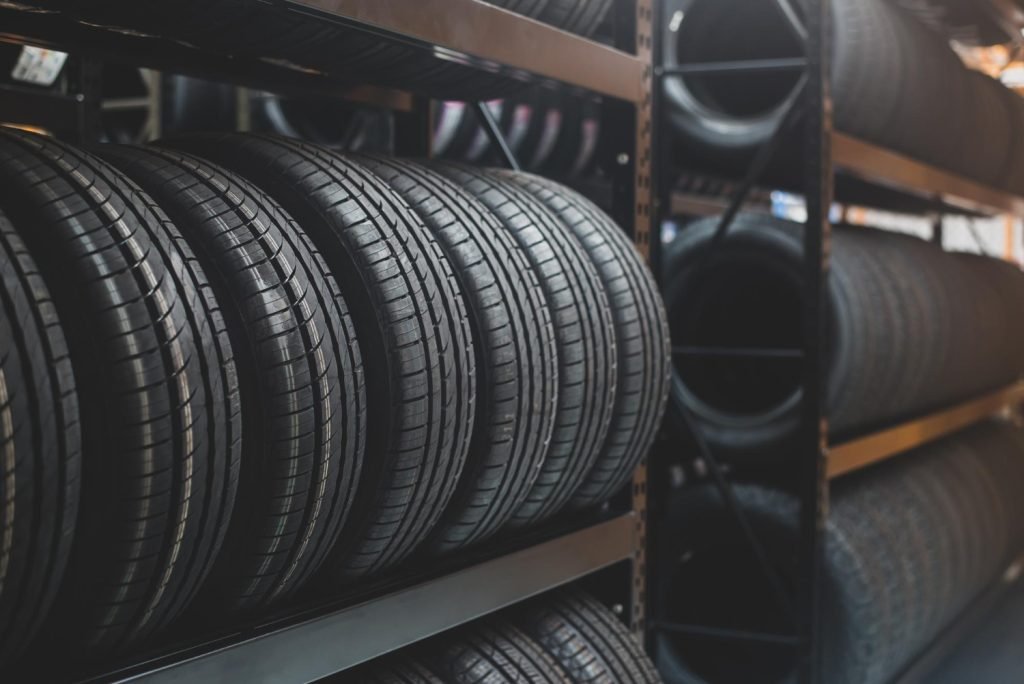
Protect Fleet Margins Before Storage Costs Escalate
Buying enough tires to prevent a shortage can feel like the safe choice. Yet the purchase order is only one part of the investment. When wholesale fleet tires sit in storage for weeks or months, they can quietly tie up space, staff time, and working cash that your operation could use elsewhere.
We work with dealers, distributors, repair shops, and commercial fleet operators, and we know inventory planning is a balancing act. You need dependable availability for your customers and vehicles, but holding too much inventory can create pressure long before a tire reaches the road. Tied-up capital, warehouse demands, handling, insurance, tire aging, and changing seasonal demand all affect the real burden of stored inventory.
Idle Inventory Ties up Cash and Warehouse Capacity
A tire in storage is inventory you have already committed to, but it cannot support your daily operations until it moves. The longer it sits, the longer that money stays out of reach for needs such as payroll, equipment upkeep, facility repairs, or inventory that turns more quickly.
Space creates another issue. Tires need an organized place to be received, identified, moved, counted, and picked for sale or installation. Even when a warehouse is already part of your business, stored tires still require attention and resources. Racks, utilities, security, insurance, receiving labor, and regular counts all add to the workload around inventory.
Slow-moving sizes can be especially difficult. A specialty truck, bus, or off-the-road tire may be important to keep available, but too many units can take up room needed for more active inventory. We recommend looking beyond the number of tires on hand and considering what those tires prevent you from storing.
A practical review should include:
- Which sizes move regularly and which remain in place
- How much warehouse space each tire category uses
- How often staff handle the same inventory before it sells
- Whether stock levels match your actual customer and fleet demand
Storage Conditions Can Shorten Tire Service Life
Storage is not simply a matter of finding an empty corner. Tires can be affected by heat, direct sunlight, ozone, moisture, chemicals, and improper stacking. A clean, suitable storage area helps protect the condition of wholesale fleet tires while they wait for their next job.
Older inventory may also create more work for your team. Before a tire is sold or installed, staff may need to inspect it more closely, confirm its identification, review storage history, or answer questions from customers. If stock has been sitting too long, it may require extra attention that would not be needed with a steady rotation plan.
Good control starts with simple habits that are followed every day. We encourage buyers to keep tires clearly identified, stored in appropriate conditions, and easy to locate. Routine visual checks can help spot concerns early, while orderly placement makes it easier to move the oldest suitable stock first.
Stock rotation is especially important when several shipments contain similar sizes. Without clear location tracking, newer arrivals can end up in front of older inventory, leaving earlier stock forgotten behind racks or in overflow areas.
Autumn Demand Shifts Can Expose Overstock Risk
October is a natural time to review tire inventory. Fleets may be completing fall maintenance, preparing for winter driving, or adjusting service plans before year-end. Regional weather, road conditions, and replacement schedules can all change which tire types customers need most.
Ordering far ahead of the season may seem like a way to stay prepared, but it can also leave you holding tires that no longer match current needs. A fleet that changes routes, adds vehicles, delays maintenance, or shifts its operating schedule may not need the same mix of tires you expected. The result can be inventory that is useful in theory but slow to move in practice.
Before placing a larger seasonal order, we suggest reviewing the factors that shape demand in your area:
- Historical sales and installation patterns
- Fleet maintenance schedules and vehicle classes
- Seasonal weather and road conditions
- Current stock by size, application, and age
- Supplier lead times and shipment planning options
This review does not mean carrying too little inventory. It means choosing stock based on the demand you can reasonably support, rather than relying on broad buying habits from a previous season.
Better Inventory Controls Lower Carrying Costs
Clear inventory rules can reduce guesswork. Instead of setting one broad target for all tires, we recommend minimum and maximum levels based on tire size, vehicle class, application, and customer demand. Passenger tires, commercial truck tires, bus tires, and off-the-road tires may each move at a different pace.
First-in, first-out rotation is one of the most useful controls. When inventory is received, labeled, and placed in a known location, your team can pull suitable older stock before opening newer shipments. Regular cycle counts and aging reports add another layer of visibility. They help you find tires that have stayed too long in one location or sizes that are not moving as planned.
Shipment planning matters, too. Container-load support and consolidated shipments can help buyers coordinate incoming inventory with available storage capacity. By sharing expected demand and receiving limits with us before an order is finalized, you can make more informed decisions about order timing and product mix.
The goal is not to create a complicated system. It is to make sure your purchasing, warehouse work, and sales activity are all working from the same picture of what is actually on hand.
Build a Leaner Tire Inventory Plan Now
The lowest unit price does not always create the lowest total investment when tires remain in storage too long. Labor, handling, aging, inspections, occupied warehouse space, and missed opportunities to stock faster-moving items all deserve a place in your planning.
Start by reviewing what has been sitting, what moved during the last season, and which sizes your customers or vehicles are most likely to need next. A leaner plan can protect service levels while giving your warehouse, staff, and working cash more room to support the work that matters most.
Improve Availability Without Tying Up Capital
Sentury Tyres can help you source wholesale fleet tires that align with your fleet requirements and inventory strategy. Our TBR tire options support dependable coverage across the sizes and applications your operation relies on. For tailored product guidance, contact us to discuss your needs.
