
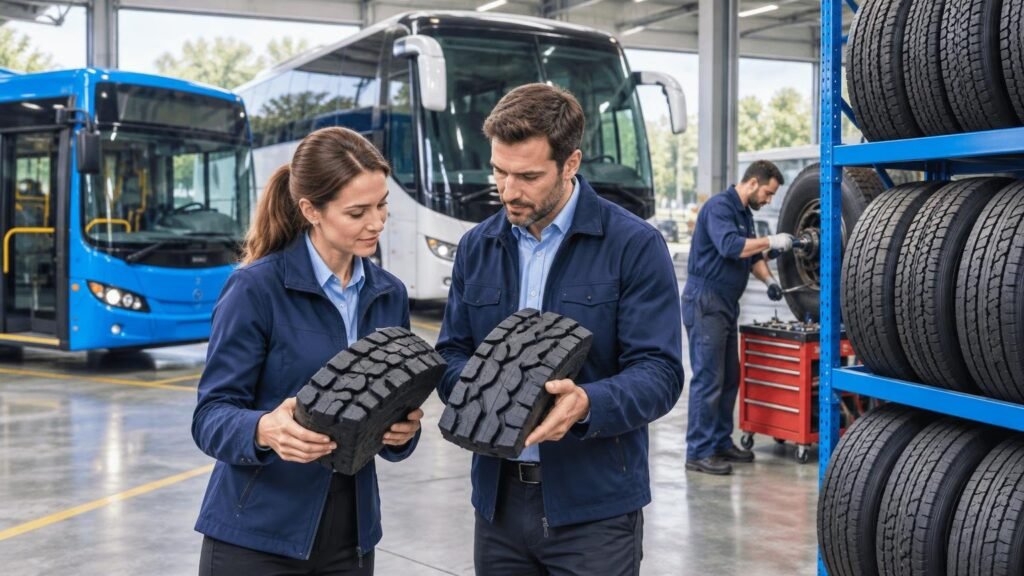
Choosing wholesale bus tires is about much more than filling an empty spot in inventory. Transit buses and motor coaches both carry people, but they face very different roads, speeds, stops, and weather conditions. The right tire program can support safer trips, steadier service, and fewer surprises when winter weather arrives.
At Sentury Tyres, we help commercial buyers look beyond the tire’s basic size and select options that fit the work their vehicles actually do. From city routes to long highway runs, your tire choice affects ride quality, braking response, tread wear, fuel use, and the amount of maintenance your team must manage.
Make Every Fleet Mile Safer and More Profitable
A bus tire works hard every mile, whether it is carrying commuters through crowded streets or passengers across long-distance routes. That is why we recommend considering the full working life of a tire, not just the immediate need to replace one.
For your fleet, the right choice can influence:
- Passenger comfort and vehicle handling
- Wet-road grip and braking confidence
- Tread wear and casing condition
- Maintenance timing and vehicle uptime
- Fuel efficiency across regular routes
Route conditions should guide the decision. A bus that stops at every block will wear tires differently than a coach that spends most of its day at highway speed. Airport shuttles, school buses, employee transport vehicles, and regional buses can also fall somewhere in the middle. When we discuss wholesale bus tires with buyers, we start with the fleet’s real duty cycle, axle needs, and expected mileage.
Compare Transit and Coach Fleet Operating Demands
Transit fleets often work in the toughest conditions for tire wear. City buses brake and accelerate repeatedly, make frequent turns, pull close to curbs, and carry changing passenger loads throughout the day. Those demands can create shoulder wear, heat buildup, and irregular tread patterns if the tire design is not suited to the route.
Coach fleets usually have a different focus. Motor coaches, charter buses, and intercity vehicles often travel at steady highway speeds for longer periods. For these fleets, stable steering, a smooth ride, low road noise, and long tread life may take priority. Rolling resistance can also matter when a vehicle covers long highway distances on a regular schedule.
Some fleets do not fit neatly into either group. Airport transportation, regional service, and employee shuttle fleets may travel through dense city traffic before joining major roads. In those cases, we often recommend reviewing versatile patterns that balance traction, durability, handling, and efficient highway performance instead of choosing a tire built for only one type of route.
Evaluate Tire Performance Beyond the Unit Price
The most useful wholesale bus tire program matches the tire to its axle position and operating role. Steer, drive, and trailer positions can place very different demands on a tire. A ribbed tread pattern may help support steering stability and even wear, while a deeper or more aggressive drive pattern may provide better traction where the vehicle needs it most.
Before placing a bulk order, we recommend confirming that each tire meets the vehicle manufacturer’s requirements and the operating limits for your routes. Size, load capacity, and speed rating all matter. A mismatched tire can affect handling, wear, and service planning.
Your comparison should also include longer-term performance factors:
- Tread pattern and intended axle position
- Load rating and approved tire size
- Wet traction for the routes you serve
- Rolling resistance during regular highway travel
- Casing durability for fleets with a retread program
A durable casing can be especially valuable for operations that inspect and manage casings carefully for future retreading. On the other hand, fleets without a structured retread plan may place more attention on original tread life, route-specific traction, and dependable replacement timing. We can help commercial buyers compare specifications so they can standardize the right options across their fleet.
Build a Winter-Ready Replacement and Retread Plan
November is a smart time to review tire condition before cold temperatures, rain, snow, and icy roads make daily service harder. A tire that seemed acceptable during dry weather may show its limits when roads become slick and schedules become less forgiving.
Your maintenance team should inspect tread depth, air pressure, sidewall condition, uneven wear, and matching across dual-tire positions. Alignment-related wear should also be addressed early. Waiting until a vehicle is already out of service can make winter replacements more stressful for drivers, technicians, and dispatch teams.
Regional conditions deserve close attention. Fleets serving mountain roads, northern routes, or areas with frequent rain and snow may need stronger wet-road handling and seasonal traction. We also encourage buyers to confirm whether planned routes have chain, traction-device, or winter-tire rules that could affect their equipment choices.
Inventory planning matters just as much as inspection. Estimate how many replacements you may need by axle position, vehicle type, and expected winter mileage. Then match your order schedule to available storage space and delivery timing. Planning ahead helps you avoid rushed substitutions when a tire must be removed from service unexpectedly.
Choose a Supplier That Simplifies Bulk Tire Orders
Bulk purchasing works best when tire specifications stay consistent from one order to the next. Consistency makes installation simpler, helps technicians follow familiar maintenance practices, and reduces confusion in inventory. We supply passenger, truck, bus, and off-road tires for commercial buyers who need dependable specifications for their target markets.
Logistics support is also part of a successful wholesale order. Dealers, distributors, repair shops, and fleet operators may need help planning quantities, container-load shipments, delivery timing, export documentation, and destination requirements. When several locations or international shipments are involved, these details deserve attention before the order is finalized.
Long-term planning gives your fleet more control over tire availability. By reviewing route changes, seasonal mileage, storage capacity, and replacement patterns, you can build a more organized tire program. That approach supports steadier inventory, clearer specifications, and fewer interruptions when operating conditions change.
Review Your Fleet Program Before Winter Service Intensifies
Before winter demand builds, compare your current tire specifications against the work each bus performs. Separate transit, coach, and mixed-use vehicles where needed, then review axle positions, tread condition, traction needs, and expected replacement timing. This gives your team a clearer picture of which wholesale bus tires fit the fleet rather than relying on a one-size-fits-all choice.
A practical tire strategy balances safe handling, tread life, wet-weather readiness, fuel efficiency, casing management, and dependable supply. When those pieces work together, your fleet is better prepared to keep passengers moving through changing road and weather conditions.
Improve Fleet Tire Planning With Reliable Supply
Browse Sentury Tyres’ wholesale bus tires to compare dependable options for transit and coach applications. Our team can help you align tire selection with your fleet’s operating needs and purchasing priorities. Contact us to discuss the right fit for your buses.
