
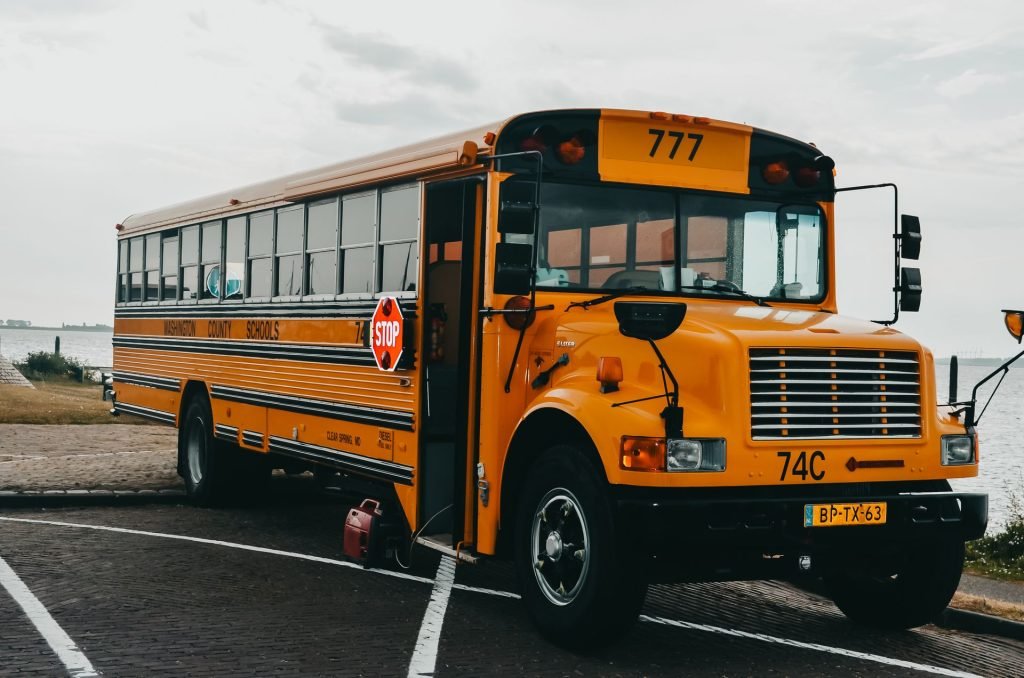
Start the School Year with Fewer Route Disruptions
Fall tire preparation helps protect student safety, dependable pickup times, and bus availability when daily routes are back in full swing. By early September, many districts are already handling the fast pace of the school year, so a tire issue can quickly affect drivers, maintenance staff, students, and families.
We recommend placing tire readiness alongside other fall maintenance work, including brakes, lighting, batteries, and heating systems. A planned review gives you time to identify worn tires, confirm replacement needs, and prepare installation schedules before a roadside problem puts extra pressure on your team. The strongest fall plan starts with inspections, correct tire specifications, dependable inventory, and delivery coordination before colder weather arrives.
Secure Wholesale Bus Tires Before Demand Peaks
Ordering wholesale bus tires early in the season can help you avoid rushed decisions after summer inspections uncover tread wear, sidewall damage, or uneven tire wear. School districts, municipal fleets, repair shops, and transportation providers may all be replacing tires at the same time, which can make planning ahead especially helpful.
Before submitting an order, we suggest reviewing your actual fleet needs instead of relying on a general estimate. Look at every bus in service, the tire sizes in use, axle layouts, current tread condition, and the number of spare tires your operation keeps on hand. Past replacement records can also help you spot patterns.
Pay close attention to buses that handle tougher daily conditions, such as:
- Longer rural routes
- Frequent stop-and-go driving
- Heavier passenger loads
- Rougher road surfaces
- Regular highway travel
When sourcing wholesale bus tires, we encourage buyers to confirm product availability, tire certifications, order communication, and shipping options. For distributors or fleets handling international orders, export paperwork and container-load shipping support can also be part of the planning process. Clear details before an order is placed can prevent confusion when your maintenance schedule is already full.
Inspect Fleet Conditions Before Choosing Inventory
A thorough inspection gives you a clearer picture of what should be replaced now and what can remain in monitored service. Maintenance teams should document tire condition by vehicle and axle position, rather than treating every bus as if it has the same needs.
During inspections, we recommend checking for:
- Tread depth and irregular wear patterns
- Cuts, punctures, cracking, bulges, and exposed cords
- Visible sidewall damage
- Valve condition and signs of air loss
- Damage that could affect safe continued operation
Inflation pressure deserves the same attention as tread condition. Underinflated tires can build heat and wear more heavily at the shoulders. Overinflation can reduce the tire’s contact area and may lead to center wear. Wear that appears uneven across an axle can also point to alignment, suspension, brake, or wheel balance concerns.
Those related issues should be reviewed before new tires go into service. Otherwise, a fresh tire may begin wearing unevenly for the same reason as the tire it replaced. We believe inspection records make ordering far more practical because they let you match tire inventory to the bus models, route demands, and axle positions that need attention most.
Choose Specifications for Daily School Routes
The right bus tire begins with the vehicle manufacturer’s recommendations and the needs of the route. Before approving a purchase order, you should verify tire size, wheel size, load capacity, load range or ply rating, inflation requirements, speed rating, and axle fitment. Small specification errors can create major headaches when installation day arrives.
Route conditions matter, too. A bus that spends its day making frequent stops and turns in town may place different demands on tires than one traveling longer highway miles. Rural routes can bring uneven pavement, loose surfaces, and changing weather. We encourage you to consider traction needs, expected tread wear, ride quality, and the seasonal conditions your buses may face.
Wholesale bus tires can make inventory planning simpler when the products are correctly matched to the fleet. Ordering in volume is only useful when the tires fit the vehicles and the work those vehicles perform. Our role is to help buyers confirm compatible, certified tire options for commercial bus transportation and coordinate bulk orders with clear product information.
Build a Budget and Delivery Plan Before Winter
A planned tire program can make seasonal maintenance easier to organize. Rather than reacting to each worn tire as it appears, you can group buses by route type, annual mileage, tire age, and expected replacement timing. This also helps maintenance leaders explain upcoming needs during procurement and budget discussions.
Delaying replacement can lead to route interruptions, extra labor, roadside service needs, downtime, and strain on other vehicle components. We recommend keeping room in the fall plan for both scheduled replacements and unexpected tire damage that may occur during the school year. Properly matched inventory also helps repair facilities keep common tire sizes ready for the buses they service most often.
Delivery and receiving deserve attention well before winter weather makes service work harder. Confirm where tires will be delivered, whether that is a central garage, repair facility, distributor warehouse, or regional service location. Your team should have enough time to inspect the shipment, schedule installation, and complete pressure checks before the tires are needed on the road.
When tires arrive, verify:
- Quantity, tire size, and visible condition
- Tire identification details and production date
- Product specifications and certifications
- Invoices and shipping records
- Export documents, when applicable
Storage matters after receiving, too. Tires should stay in a clean, dry space away from direct sunlight, chemicals, heat sources, and standing moisture. Good receiving and storage habits protect the inventory you have planned for and keep tires ready for installation through fall and winter.
Put Your Fall Tire Plan Into Motion
The best time to prepare for a tire problem is before it affects a morning route. Early inspections, accurate specifications, organized inventory, and coordinated delivery can help your team stay focused on safe, dependable transportation when the school year is at its busiest.
A clear plan also gives maintenance teams a simple path forward: inspect each bus, address the causes of uneven wear, order the correct tire types, confirm delivery details, and store replacements properly until installation. That preparation can make the months ahead easier to manage, even when weather and daily route demands become less predictable.
Keep Your Fleet Ready for Every Route
At Sentury Tyres, we help fleet managers source dependable wholesale bus tires suited to demanding school transportation needs. Our TBR tire selection supports consistent performance, efficient purchasing, and confident replacement planning. For help selecting the right tires for your fleet, contact us today.
